Have you ever woken up from a powerful dream and wondered whether it carried a message from God?
Perhaps the dream felt unusually vivid, emotional, or meaningful. Maybe it stayed in your mind long after you woke up, leaving you searching for answers. Throughout history, many people have believed that dreams can carry spiritual guidance, warnings, encouragement, or divine wisdom.
This curiosity often leads people to explore biblical dream interpretation and what their dreams may reveal about their spiritual journey.
The spiritual meaning of dreaming about biblical dream interpretation goes far beyond predicting future events. In many cases, dreams reflect our emotions, faith, personal growth, and relationship with God. They may encourage reflection, reveal hidden concerns, or inspire us to seek deeper spiritual understanding.
In this guide, we’ll explore biblical dream interpretation from spiritual, psychological, and cultural perspectives while uncovering how dreams may connect to your life path and inner growth.
Spiritual Meaning of Dreaming About Biblical Dream Interpretation
In the Bible, dreams are often portrayed as important channels of communication.
Many well-known biblical figures received guidance, warnings, and revelations through dreams.
Spiritually, biblical dream interpretation focuses on understanding the symbolic meaning behind dream experiences rather than taking every detail literally.
Dreams may symbolize:
- Spiritual growth
- Divine guidance
- Personal transformation
- Faith and trust
- Emotional healing
- Life transitions
- Inner reflection
Rather than predicting events, many dreams encourage deeper awareness of your thoughts, actions, and spiritual path.
The central message is often found within the emotions and symbols of the dream.
Dreams in the Bible
The Bible contains numerous examples of dreams carrying important spiritual significance.
Some of the most recognized dream accounts include:
Joseph’s Dreams
Joseph dreamed about future events and later became known for interpreting dreams.
His story highlights themes of faith, patience, and divine purpose.
Pharaoh’s Dreams
Joseph interpreted Pharaoh’s dreams about abundance and famine.
These dreams demonstrated how symbolic imagery can reveal deeper truths.
Jacob’s Ladder
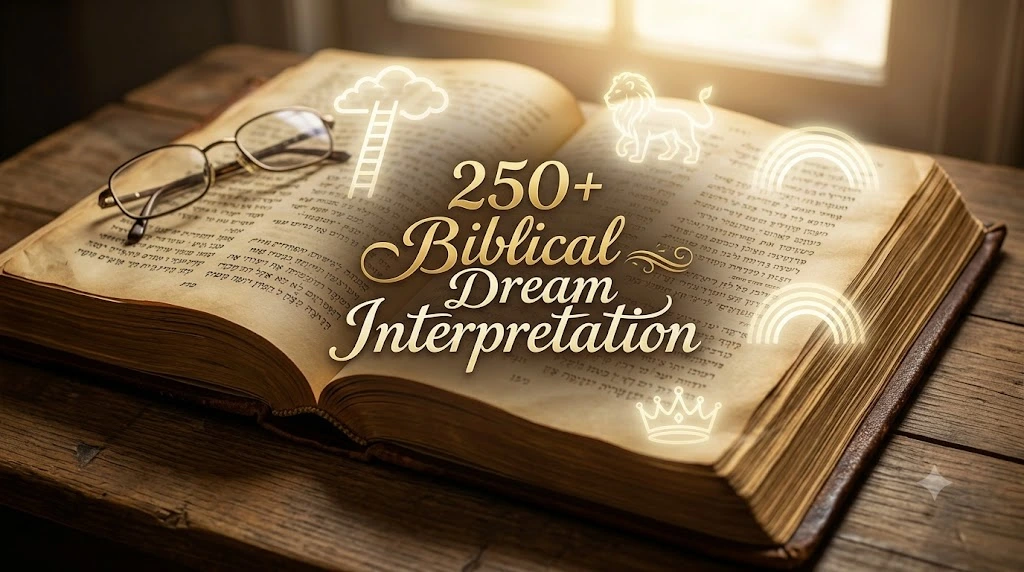
Jacob dreamed of a ladder reaching heaven, symbolizing spiritual connection and divine presence.
Joseph, Husband of Mary
He received guidance through dreams regarding the protection of Jesus.
These examples show how dreams have long been viewed as meaningful spiritual experiences.
Psychological Meaning of Biblical Dream Interpretation
While spiritual traditions emphasize divine symbolism, psychology focuses on the subconscious mind.
Psychologists believe dreams help process:
- Emotions
- Memories
- Fears
- Desires
- Life experiences
Interestingly, both perspectives share common ground.
Whether viewed spiritually or psychologically, dreams often reveal truths that may not be fully recognized during waking life.
A dream may not predict the future, but it can illuminate your inner world.
Common Symbols in Biblical Dream Interpretation
Many dream symbols appear repeatedly across spiritual traditions.
Water
Water often symbolizes:
- Spiritual cleansing
- Renewal
- Emotional healing
- Faith
Calm water may represent peace, while stormy water may reflect emotional challenges.
Light
Light frequently symbolizes:
- Divine guidance
- Wisdom
- Truth
- Spiritual awakening
Mountains
Mountains often represent:
- Challenges
- Spiritual growth
- Higher understanding
- Faith journeys
Animals
Different animals may symbolize specific qualities such as courage, wisdom, protection, or perseverance.
Doors
Doors commonly represent:
- Opportunities
- New beginnings
- Spiritual transitions
- Life changes
The emotional context of the dream often helps determine the meaning.
Cultural Interpretations of Dreams
Dream interpretation exists in many cultures and spiritual traditions.
Biblical Tradition
Biblical dream interpretation emphasizes prayer, wisdom, discernment, and reflection.
The goal is understanding spiritual lessons rather than predicting events.
Ancient Hebrew Beliefs
Dreams were often considered meaningful messages requiring thoughtful interpretation.
Symbolism played a central role.
Early Christian Perspectives
Many early Christian thinkers viewed dreams as opportunities for spiritual insight and self-examination.
Modern Spiritual Views
Today, many people combine biblical teachings with psychological understanding when interpreting dreams.
The focus remains on personal growth and spiritual awareness.
Connection Between Dreams and Chakras
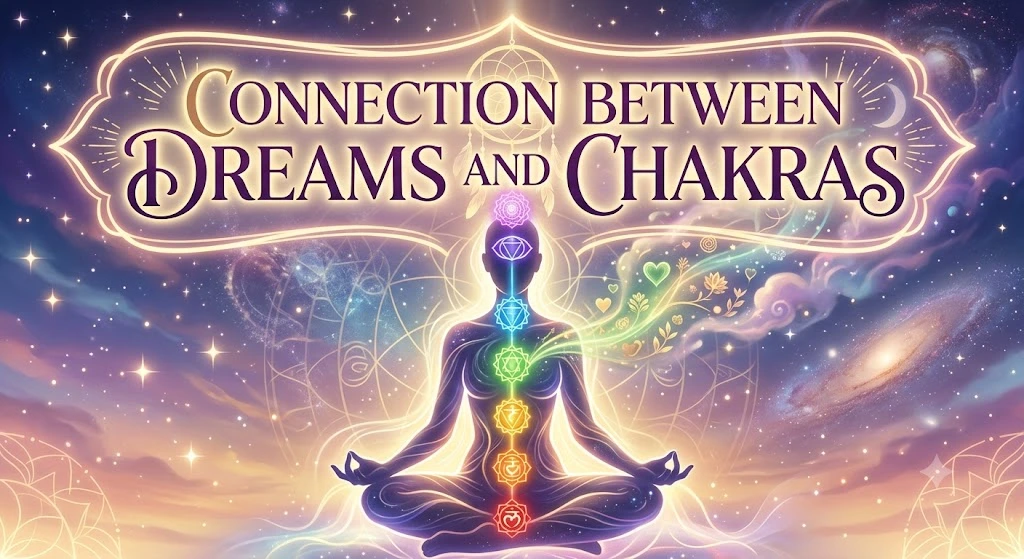
Although chakras originate from Eastern spiritual traditions rather than biblical teachings, some people find value in exploring how dream symbolism relates to emotional energy.
This perspective can complement spiritual reflection.
Crown Chakra
The Crown Chakra relates to:
- Spiritual awareness
- Divine connection
- Higher wisdom
Dreams involving strong spiritual themes may reflect activity within this energy center.
Third Eye Chakra
The Third Eye Chakra governs:
- Intuition
- Insight
- Inner wisdom
Vivid dreams often encourage deeper self-reflection and awareness.
Heart Chakra
The Heart Chakra governs:
- Compassion
- Forgiveness
- Love
- Emotional healing
Many spiritually significant dreams involve themes connected to this energy center.
Throat Chakra
The Throat Chakra relates to:
- Truth
- Communication
- Self-expression
Dreams may reveal emotions or truths that need expression.
Emotional Blockages Revealed Through Dreams
Dreams often highlight emotional patterns that deserve attention.
Fear
Dreams may reveal hidden worries or anxieties.
Doubt
Questions about faith, purpose, or direction sometimes appear symbolically.
Unresolved Grief
Past emotional pain can surface through dream imagery.
Resistance to Change
Many dreams emerge during periods of personal transformation.
Need for Healing
The subconscious frequently uses dreams to process emotional experiences.
Recognizing these themes can provide valuable insight.
Real-Life Examples of Biblical Dream Interpretation
Example 1: Finding Direction
A woman repeatedly dreamed about walking through a bright doorway.
Through reflection, she realized the dream mirrored a major career opportunity she had been afraid to pursue.
The doorway symbolized a new beginning.
Example 2: Strength During Challenges
A man dreamed of climbing a mountain during a difficult season of life.
The dream inspired him to remain faithful and persistent despite obstacles.
Example 3: Emotional Healing
A woman dreamed of calm water after a painful breakup.
She later understood the dream as a symbol of healing and renewal.
Example 4: Spiritual Growth
A student repeatedly dreamed about light shining through darkness.
The dream appeared during a period of personal transformation and strengthened her spiritual confidence.
How to Approach Biblical Dream Interpretation
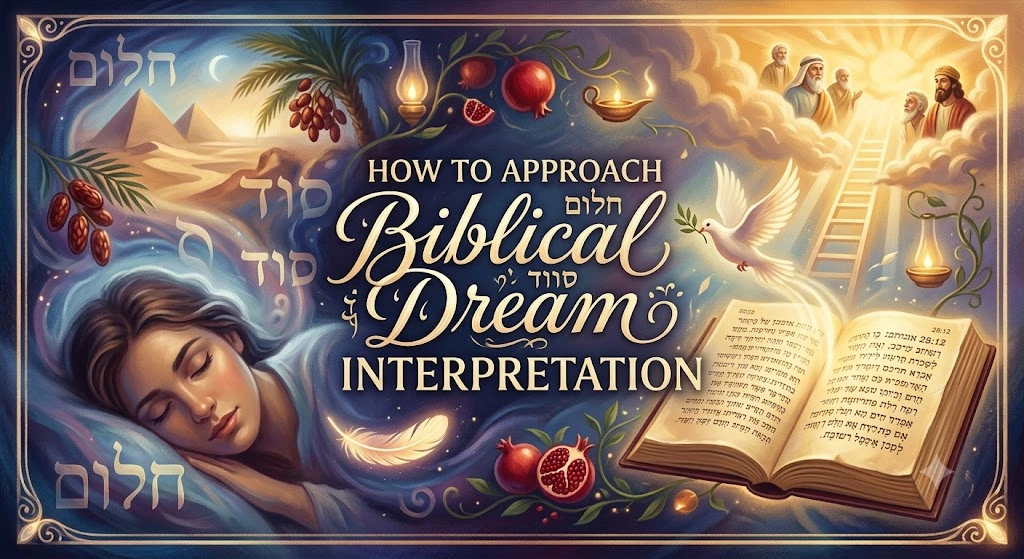
If you feel a dream may carry spiritual significance, consider these questions:
- What emotions did I experience?
- What symbols stood out most?
- How does the dream relate to my current life situation?
- What lesson might I be learning?
- Is there an area of life requiring reflection or growth?
Keeping a dream journal can help identify recurring themes and insights.
Patience is often important because meaning may become clearer over time.
FAQs
1. Does the Bible say dreams can have meaning?
Yes. Many biblical stories include meaningful dreams that provide guidance, wisdom, and spiritual insight.
2. Are all dreams messages from God?
Not necessarily. Some dreams may simply reflect emotions, memories, and daily experiences.
3. How can I interpret a dream biblically?
Focus on prayer, reflection, symbolism, and how the dream relates to your current life circumstances.
4. Why do some dreams feel so real?
Vivid dreams often carry strong emotional significance, making them feel especially memorable.
5. Should I take every dream literally?
Generally, dreams are understood symbolically rather than literally. The deeper message is often found within the imagery and emotions.
Conclusion
The spiritual meaning of dreaming about biblical dream interpretation invites us to explore the connection between our inner world and our spiritual journey.
Whether viewed through faith, psychology, or personal reflection, dreams often reveal valuable insights about growth, healing, purpose, and transformation. They encourage us to pay attention to our emotions, seek wisdom, and remain open to learning from life’s experiences.
Rather than viewing dreams as simple predictions, consider them invitations to deeper understanding. Sometimes the greatest meaning is not found in the dream itself but in the self-discovery that follows.
Approach your dreams with curiosity, patience, and reflection. They may reveal lessons that guide you toward greater peace, awareness, and spiritual growth.
Have you ever woken up from a powerful dream and wondered whether it carried a message from God?
Perhaps the dream felt unusually vivid, emotional, or meaningful. Maybe it stayed in your mind long after you woke up, leaving you searching for answers. Throughout history, many people have believed that dreams can carry spiritual guidance, warnings, encouragement, or divine wisdom.
This curiosity often leads people to explore biblical dream interpretation and what their dreams may reveal about their spiritual journey.
The spiritual meaning of dreaming about biblical dream interpretation goes far beyond predicting future events. In many cases, dreams reflect our emotions, faith, personal growth, and relationship with God. They may encourage reflection, reveal hidden concerns, or inspire us to seek deeper spiritual understanding.
In this guide, we’ll explore biblical dream interpretation from spiritual, psychological, and cultural perspectives while uncovering how dreams may connect to your life path and inner growth.
Spiritual Meaning of Dreaming About Biblical Dream Interpretation
In the Bible, dreams are often portrayed as important channels of communication.
Many well-known biblical figures received guidance, warnings, and revelations through dreams.
Spiritually, biblical dream interpretation focuses on understanding the symbolic meaning behind dream experiences rather than taking every detail literally.
Dreams may symbolize:
- Spiritual growth
- Divine guidance
- Personal transformation
- Faith and trust
- Emotional healing
- Life transitions
- Inner reflection
Rather than predicting events, many dreams encourage deeper awareness of your thoughts, actions, and spiritual path.
The central message is often found within the emotions and symbols of the dream.
Dreams in the Bible
The Bible contains numerous examples of dreams carrying important spiritual significance.
Some of the most recognized dream accounts include:
Joseph’s Dreams
Joseph dreamed about future events and later became known for interpreting dreams.
His story highlights themes of faith, patience, and divine purpose.
Pharaoh’s Dreams
Joseph interpreted Pharaoh’s dreams about abundance and famine.
These dreams demonstrated how symbolic imagery can reveal deeper truths.
Jacob’s Ladder
Jacob dreamed of a ladder reaching heaven, symbolizing spiritual connection and divine presence.
Joseph, Husband of Mary
He received guidance through dreams regarding the protection of Jesus.
These examples show how dreams have long been viewed as meaningful spiritual experiences.
Psychological Meaning of Biblical Dream Interpretation
While spiritual traditions emphasize divine symbolism, psychology focuses on the subconscious mind.
Psychologists believe dreams help process:
- Emotions
- Memories
- Fears
- Desires
- Life experiences
Interestingly, both perspectives share common ground.
Whether viewed spiritually or psychologically, dreams often reveal truths that may not be fully recognized during waking life.
A dream may not predict the future, but it can illuminate your inner world.
Common Symbols in Biblical Dream Interpretation
Many dream symbols appear repeatedly across spiritual traditions.
Water
Water often symbolizes:
- Spiritual cleansing
- Renewal
- Emotional healing
- Faith
Calm water may represent peace, while stormy water may reflect emotional challenges.
Light
Light frequently symbolizes:
- Divine guidance
- Wisdom
- Truth
- Spiritual awakening
Mountains
Mountains often represent:
- Challenges
- Spiritual growth
- Higher understanding
- Faith journeys
Animals
Different animals may symbolize specific qualities such as courage, wisdom, protection, or perseverance.
Doors
Doors commonly represent:
- Opportunities
- New beginnings
- Spiritual transitions
- Life changes
The emotional context of the dream often helps determine the meaning.
Cultural Interpretations of Dreams
Dream interpretation exists in many cultures and spiritual traditions.
Biblical Tradition
Biblical dream interpretation emphasizes prayer, wisdom, discernment, and reflection.
The goal is understanding spiritual lessons rather than predicting events.
Ancient Hebrew Beliefs
Dreams were often considered meaningful messages requiring thoughtful interpretation.
Symbolism played a central role.
Early Christian Perspectives
Many early Christian thinkers viewed dreams as opportunities for spiritual insight and self-examination.
Modern Spiritual Views
Today, many people combine biblical teachings with psychological understanding when interpreting dreams.
The focus remains on personal growth and spiritual awareness.
Connection Between Dreams and Chakras
Although chakras originate from Eastern spiritual traditions rather than biblical teachings, some people find value in exploring how dream symbolism relates to emotional energy.
This perspective can complement spiritual reflection.
Crown Chakra
The Crown Chakra relates to:
- Spiritual awareness
- Divine connection
- Higher wisdom
Dreams involving strong spiritual themes may reflect activity within this energy center.
Third Eye Chakra
The Third Eye Chakra governs:
- Intuition
- Insight
- Inner wisdom
Vivid dreams often encourage deeper self-reflection and awareness.
Heart Chakra
The Heart Chakra governs:
- Compassion
- Forgiveness
- Love
- Emotional healing
Many spiritually significant dreams involve themes connected to this energy center.
Throat Chakra
The Throat Chakra relates to:
- Truth
- Communication
- Self-expression
Dreams may reveal emotions or truths that need expression.
Emotional Blockages Revealed Through Dreams
Dreams often highlight emotional patterns that deserve attention.
Fear
Dreams may reveal hidden worries or anxieties.
Doubt
Questions about faith, purpose, or direction sometimes appear symbolically.
Unresolved Grief
Past emotional pain can surface through dream imagery.
Resistance to Change
Many dreams emerge during periods of personal transformation.
Need for Healing
The subconscious frequently uses dreams to process emotional experiences.
Recognizing these themes can provide valuable insight.
Real-Life Examples of Biblical Dream Interpretation
Example 1: Finding Direction
A woman repeatedly dreamed about walking through a bright doorway.
Through reflection, she realized the dream mirrored a major career opportunity she had been afraid to pursue.
The doorway symbolized a new beginning.
Example 2: Strength During Challenges
A man dreamed of climbing a mountain during a difficult season of life.
The dream inspired him to remain faithful and persistent despite obstacles.
Example 3: Emotional Healing
A woman dreamed of calm water after a painful breakup.
She later understood the dream as a symbol of healing and renewal.
Example 4: Spiritual Growth
A student repeatedly dreamed about light shining through darkness.
The dream appeared during a period of personal transformation and strengthened her spiritual confidence.
How to Approach Biblical Dream Interpretation
If you feel a dream may carry spiritual significance, consider these questions:
- What emotions did I experience?
- What symbols stood out most?
- How does the dream relate to my current life situation?
- What lesson might I be learning?
- Is there an area of life requiring reflection or growth?
Keeping a dream journal can help identify recurring themes and insights.
Patience is often important because meaning may become clearer over time.
FAQs
1. Does the Bible say dreams can have meaning?
Yes. Many biblical stories include meaningful dreams that provide guidance, wisdom, and spiritual insight.
2. Are all dreams messages from God?
Not necessarily. Some dreams may simply reflect emotions, memories, and daily experiences.
3. How can I interpret a dream biblically?
Focus on prayer, reflection, symbolism, and how the dream relates to your current life circumstances.
4. Why do some dreams feel so real?
Vivid dreams often carry strong emotional significance, making them feel especially memorable.
5. Should I take every dream literally?
Generally, dreams are understood symbolically rather than literally. The deeper message is often found within the imagery and emotions.
Conclusion
The spiritual meaning of dreaming about biblical dream interpretation invites us to explore the connection between our inner world and our spiritual journey.
Whether viewed through faith, psychology, or personal reflection, dreams often reveal valuable insights about growth, healing, purpose, and transformation. They encourage us to pay attention to our emotions, seek wisdom, and remain open to learning from life’s experiences.
Rather than viewing dreams as simple predictions, consider them invitations to deeper understanding. Sometimes the greatest meaning is not found in the dream itself but in the self-discovery that follows.
Approach your dreams with curiosity, patience, and reflection. They may reveal lessons that guide you toward greater peace, awareness, and spiritual growth.